

Table of Contents
- Introduction
- Understanding the Nicaraguan Real Estate Market
- 2.1 Popularity among Foreign Investors
- 2.2 Market Metrics and Trends
- Legal Framework for Foreign Buyers
- 3.1 Property Ownership Rights
- 3.2 Special Rules for Coastal and Border Areas
- 3.3 Residency Requirements
- Steps to Purchase Property
- 4.1 Due Diligence and Legal Considerations
- 4.2 Engaging a Local Lawyer
- 4.3 Necessary Documents for a Real Estate Transaction
- Financing Options
- 5.1 Availability of Loans for Foreigners
- 5.2 Major Banks and Typical Interest Rates
- 5.3 Alternative Financing Options
- Taxes and Fees Associated with Property Transactions
- 6.1 Breakdown of Taxes
- 6.2 Summary of Fees
- Risks of Buying Property
- 7.1 Legal Risks and Potential for Fraud
- 7.2 Natural Disaster Considerations
- Best Places for Investment in Nicaragua
- 8.1 Summary Table of Top Cities/Regions
- 8.2 In-Depth Analysis of Key Areas
- The Expat Experience
- 9.1 Lifestyle and Community in Nicaragua
- 9.2 Cost of Living and Healthcare
- Negotiation Tips
- 10.1 Cultural Considerations
- 10.2 Effective Communication Strategies
- Conclusion
1. Introduction
Nicaragua, with its stunning natural beauty, rich culture, and welcoming locals, is becoming one of the most sought-after destinations for real estate investment in Central America. This guide is designed to provide potential buyers with everything they need to know about purchasing property in Nicaragua. Whether you’re considering a vacation home, rental investment, or relocation, our expert real estate agents at REMAX Coastal Properties are here to guide you through the entire process.
Our agents possess deep knowledge of the Nicaraguan market and will ensure that you navigate the complexities of purchasing property with confidence and ease. This guide will provide you with clear, step-by-step information about the market, the legal framework, financing options, and more. Let us help you turn your dream of owning property in Nicaragua into a reality.
2. Understanding the Nicaraguan Real Estate Market
2.1 Popularity among Foreign Investors
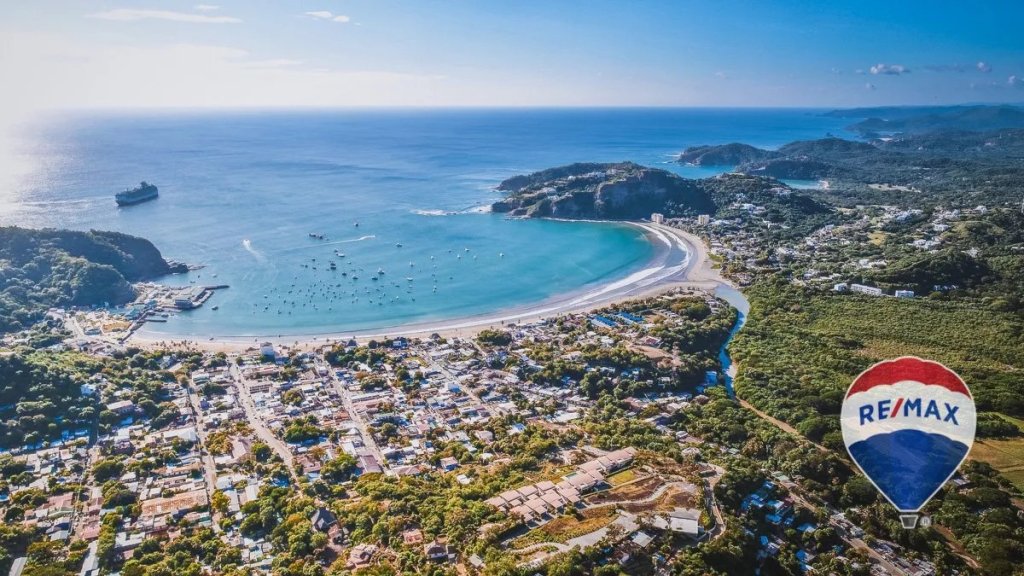
Nicaragua is rapidly gaining popularity among foreign investors, thanks to its affordable real estate prices, stunning landscapes, and growing expat community. Nicaragua offers a unique opportunity for those looking to escape the high cost of living in North America and Europe. Whether it’s a beachfront property in San Juan del Sur or an eco-resort in Granada, Nicaragua provides diverse options for buyers at every price point.
Nicaragua’s low cost of living and favorable property laws make it an ideal location for both long-term and short-term investments. The country’s charm lies not only in its scenic beauty but also in the genuine warmth of its people, creating a welcoming environment for foreign buyers.
2.2 Market Metrics and Trends
In recent years, Nicaragua’s real estate market has experienced growth, fueled by both foreign investment and an expanding local economy. With a steady increase in GDP per capita, local residents are becoming more affluent, driving demand for housing and commercial real estate. Rental yields in Nicaragua range between 4.9% and 7.6%, demonstrating strong rental market potential. As a result, investors looking to generate passive income from rental properties will find excellent opportunities here.
Nicaragua’s government has also worked to enhance the ease of doing business, further improving the investment climate. With a favorable exchange rate, real estate prices are lower than those of neighboring Costa Rica and Panama, making Nicaragua an attractive and affordable option for property buyers.
3. Legal Framework for Foreign Buyers
3.1 Property Ownership Rights
One of the most significant advantages of investing in Nicaragua is the straightforward property ownership structure for foreigners. Foreigners can purchase land or property outright with no restrictions other than those for coastal and border areas. Unlike many other Latin American countries that require foreign investors to partner with locals, Nicaragua allows for complete ownership by foreigners. This includes rights to residential, commercial, and agricultural land.
This equal treatment provides foreigners the same property rights as Nicaraguan citizens, making it a transparent and appealing environment for property investors.
3.2 Special Rules for Coastal and Border Areas
While property ownership is generally open to foreigners, the “Law of the Coast” imposes restrictions on property ownership within 5 kilometers of Nicaragua’s borders and coastlines. This law is intended to protect the nation’s natural resources and security interests. In these restricted areas, foreigners may lease land, typically for long periods (up to 99 years), but outright ownership is not permitted.
Despite this restriction, many foreigners successfully lease land in desirable coastal areas such as San Juan del Sur and the Pacific Coast, where they build vacation homes, resorts, or other developments. Working with an experienced real estate agent who understands these regulations is crucial to ensuring a smooth transaction.
3.3 Residency Requirements
Residency is not required for purchasing property in Nicaragua, which makes the country an attractive option for investors who do not plan to live there permanently. However, owning property in Nicaragua can make it easier to obtain residency through the Investor Residency program. This program is designed to encourage foreign investment by offering residency to those who meet certain financial criteria. Understanding the residency categories and requirements can help buyers explore long-term living options in Nicaragua.
4. Steps to Purchase Property
4.1 Due Diligence and Legal Considerations
Due diligence is the foundation of any successful real estate transaction. This process ensures that the property title is clear and that the property is free from legal issues or encumbrances. As a buyer, you must verify that the property has no outstanding liens, unpaid taxes, or conflicting claims to ownership.
An experienced lawyer will help guide you through this process, reviewing the property’s legal standing and providing you with peace of mind that the investment is sound.
4.2 Engaging a Local Lawyer
It is essential to hire a local lawyer when buying property in Nicaragua. The legal landscape may differ from what you’re accustomed to in your home country, and local knowledge is key to navigating potential pitfalls. A local attorney will conduct the title search, draft contracts, and ensure that all local laws and regulations are followed.
Your lawyer will also be instrumental in drafting the Purchase-Sale Agreement, which is a legally binding contract between you and the seller. This document outlines the sale price, terms, and conditions, ensuring that both parties are clear on their responsibilities. Additionally, they will help with any permits or approvals required by the local municipality.
4.3 Necessary Documents for a Real Estate Transaction
When purchasing property in Nicaragua, you’ll need the following documents:
- Valid Passport: Proof of identity and eligibility for ownership.
- Title Deed: The official document proving ownership of the property.
- Certificate of Occupancy: A document ensuring the property meets local building codes.
- Tax Declarations: Proof that property taxes are up to date.
- Municipal Registration: Confirmation of the property’s registration within the local government system.
Ensuring that these documents are in order will expedite the transaction and help prevent complications during the purchasing process.
5. Financing Options
5.1 Availability of Loans for Foreigners
Securing financing for property purchases in Nicaragua can be difficult for foreigners, as the local banking system typically requires proof of stable income and, in some cases, a residence permit. However, some banks, such as Banco de América Central (BAC) and Banpro, do offer loans to foreigners, though the terms and conditions vary.
5.2 Major Banks and Typical Interest Rates
Interest rates for property loans in Nicaragua can range from 11% to 15%, making it a more expensive option compared to more developed markets. Given the relatively high interest rates and the fact that mortgages for foreigners are not common, many investors prefer to pay in cash, avoiding the hassle and cost of financing.
5.3 Alternative Financing Options
An alternative to bank financing is owner financing, where the property seller acts as the lender. This option typically requires a significant down payment (around 50%), with the remaining balance paid over several years. Additionally, foreign investors may choose to leverage cash, which often leads to better negotiating power and access to desirable properties at competitive prices.
6. Taxes and Fees Associated with Property Transactions
6.1 Breakdown of Taxes
There are several taxes that buyers should be aware of:
- Rental Income Tax: Non-residents are taxed 15% on rental income, while residents may pay up to 25%.
- Transfer Tax: A tax imposed on the sale or transfer of property, ranging from 1% to 4% based on the property’s assessed value.
- Capital Gains Tax: If you sell a property for a profit, you may owe up to 35.5% of the capital gain.
6.2 Summary of Fees
In addition to taxes, there are several transaction fees to consider:
- Real Estate Agent Fee: Typically 5% to 10% of the sale price, usually paid by the seller.
- Registration Fee: Approximately 1% of the property value.
- Notary Fees: Typically 1.5% to 2% of the property value for legal services, including contract drafting and document verification.
These fees should be factored into your budget when planning your purchase.
7. Risks of Buying Property
7.1 Legal Risks and Potential for Fraud
While Nicaragua offers a generally favorable real estate environment, buyers should be aware of potential legal risks. The country’s legal system is not as robust as in more developed nations, which means that enforcing property rights may take longer or be more complex. Additionally, the potential for fraud is a concern, particularly in markets where property titles are not well-documented. Conducting thorough due diligence and working with a reputable lawyer will mitigate these risks.
7.2 Natural Disaster Considerations
Nicaragua is susceptible to natural disasters, including earthquakes and hurricanes. It’s essential to understand the risks of investing in properties located in disaster-prone areas. Many properties are built to withstand these risks, but buyers should verify the structural integrity of buildings and ensure they have appropriate insurance coverage for natural disasters.
8. Best Places to Invest in Nicaragua
8.1 Summary Table of Top Cities/Regions
| City/Region | Population | Average Price per sqm (NIO) | Strengths |
|---|---|---|---|
| Managua | ≈ 1.5 million | 6,000 – 12,000 | Economic hub, infrastructure growth |
| Granada | ≈ 120,000 | 8,000 – 16,000 | Colonial charm, tourism, cultural hub |
| San Juan del Sur | ≈ 20,000 | 10,000 – 20,000 | Beach town, expat community, rental opportunities |
| León | ≈ 200,000 | 6,000 – 12,000 | Cultural heritage, university city |
| Estelí | ≈ 120,000 | 4,000 – 8,000 | Artisan community, cooler climate |
8.2 In-Depth Analysis of Key Areas
- San Juan del Sur: Famous for its beaches and surf culture, San Juan del Sur is a prime location for vacation homes and short-term rental properties. The influx of expatriates and tourists has made the town a vibrant, growing real estate market.
- Granada: Known for its colonial architecture and historical significance, Granada offers unique investment opportunities in both residential and commercial properties. The city has a thriving tourism industry and is one of the most popular spots for foreign buyers.
- León: León is an up-and-coming city, known for its educational institutions and historical landmarks. Properties in León are relatively affordable, making it an attractive option for long-term investment.
9. The Expat Experience
9.1 Lifestyle and Community in Nicaragua
Living in Nicaragua offers a unique blend of adventure and tranquility. The warm and welcoming locals, combined with the country’s rich cultural heritage, create an ideal environment for expatriates. Many expatriates embrace a slower pace of life, enjoying community activities, festivals, and exploring the natural beauty that surrounds them.
9.2 Cost of Living and Healthcare
One of the key advantages of living in Nicaragua is its low cost of living. Housing, food, and transportation costs are generally much lower than in North America and Europe. The healthcare system, while not perfect, is affordable and offers quality care through a mix of public and private hospitals. Many expatriates also opt for international health insurance for additional peace of mind.
10. Negotiation Tips
10.1 Cultural Considerations
Negotiating property deals in Nicaragua requires understanding the importance of building relationships and trust. Personal connections often play a significant role in the success of a transaction. Taking the time to engage in friendly conversation and show genuine interest in the seller’s well-being will often result in a more favorable outcome.
10.2 Effective Communication Strategies
Be clear and assertive while maintaining a respectful and patient approach. Nicaraguans value politeness, and demonstrating respect for authority figures and seniority can strengthen your negotiating position.
11. Conclusion
Purchasing property in Nicaragua offers a unique opportunity to invest in one of Central America’s most promising real estate markets. Whether you’re seeking a vacation home, an income-generating rental property, or a permanent residence, Nicaragua’s diverse and affordable real estate options make it an attractive destination for foreign buyers. By following this guide, you can confidently navigate the buying process, minimizing risks and maximizing the potential of your investment.


Join The Discussion